
Polyelectrolyte Flocculant Articles and Decision Guides
Eight technical guides for polyelectrolyte flocculant charge selection, mechanism, jar tests, preparation, troubleshooting, equipment and purchasing.
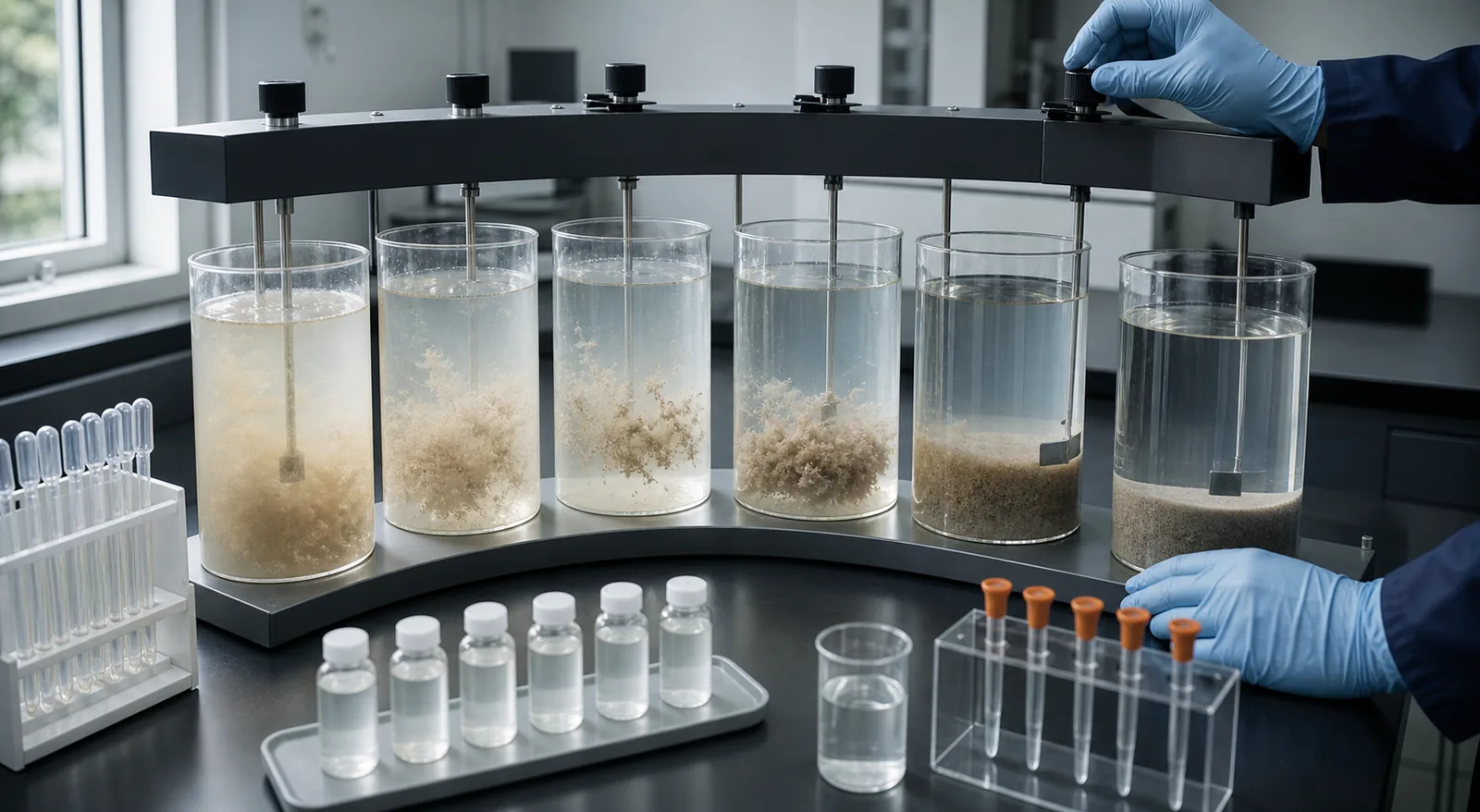
Anionic vs Cationic Polyelectrolyte Flocculant Selection
Choose anionic, cationic or low-charge polyelectrolyte flocculant through solids character, water chemistry, equipment and controlled dose curves.
 OPEN FILE ↗02
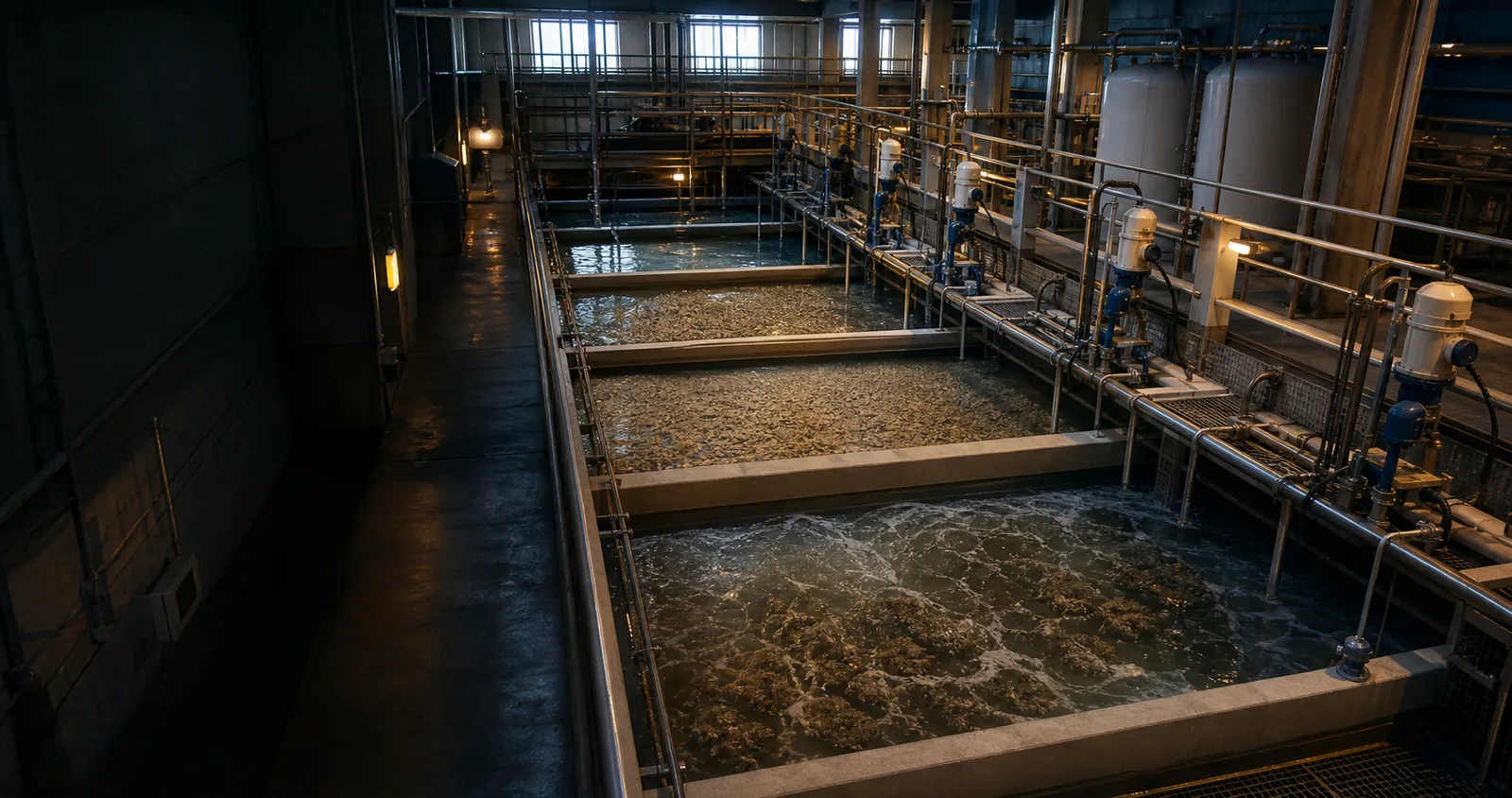
How Polyelectrolyte Flocculant Works in Water Treatment
Understand adsorption, charge interaction, bridging, mixing and separation conditions that control polyelectrolyte flocculant performance.
 OPEN FILE ↗03
Polyelectrolyte Flocculant Jar Test and Dose Curve
Run a polyelectrolyte flocculant jar test with active-dose normalization, controlled mixing, paired endpoints and a transferable dose curve.
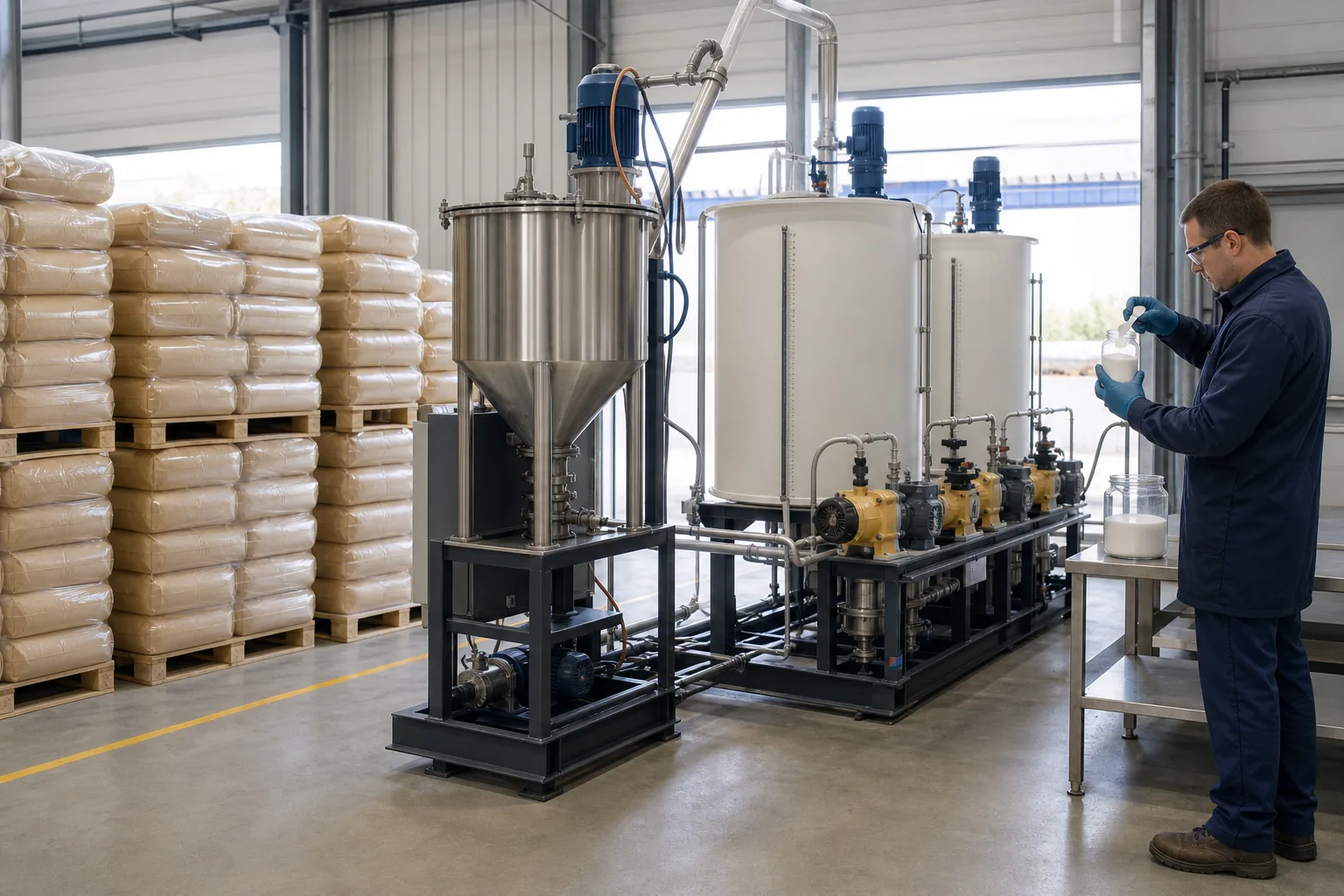
OPEN FILE ↗04Polyelectrolyte Flocculant Powder Solution Preparation
Prepare powder polyelectrolyte flocculant through controlled induction, wetting, maturation, dilution, transfer and solution-age checks.
 OPEN FILE ↗05
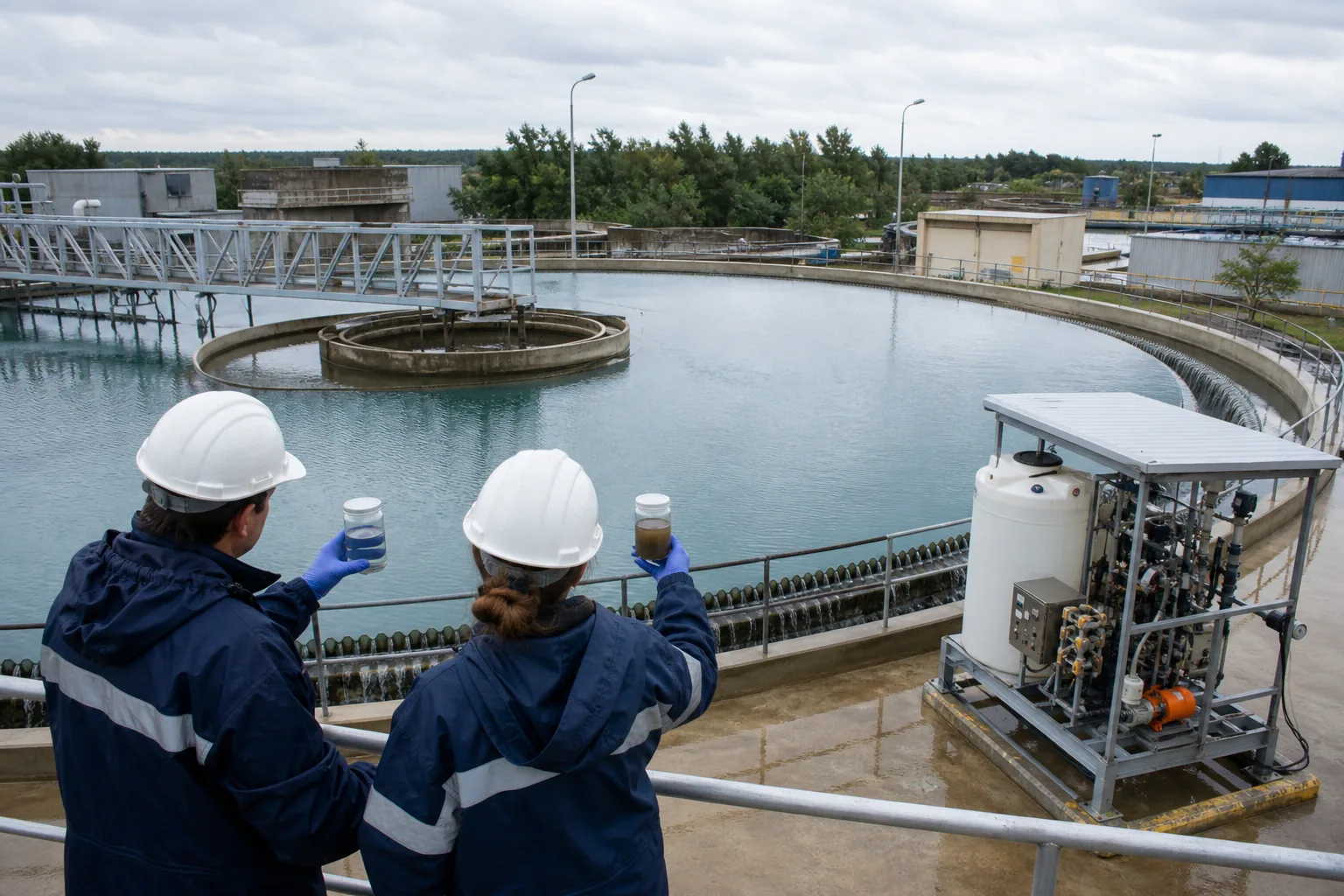
Polyelectrolyte Flocculant Overdose Symptoms and Correction
Identify polyelectrolyte flocculant overdose, underdose, preparation and shear problems through dose curves and separator evidence.
 OPEN FILE ↗06
Polyelectrolyte Flocculant for Clarifier vs DAF
Compare polyelectrolyte flocculant requirements for gravity clarification and dissolved-air flotation using equipment-specific endpoints.
OPEN FILE ↗07Polyelectrolyte Flocculant Trial for Centrifuge and Belt Press
Plan equipment trials for polyelectrolyte flocculant using active dose, sludge variability, centrate or filtrate, throughput and cake solids.
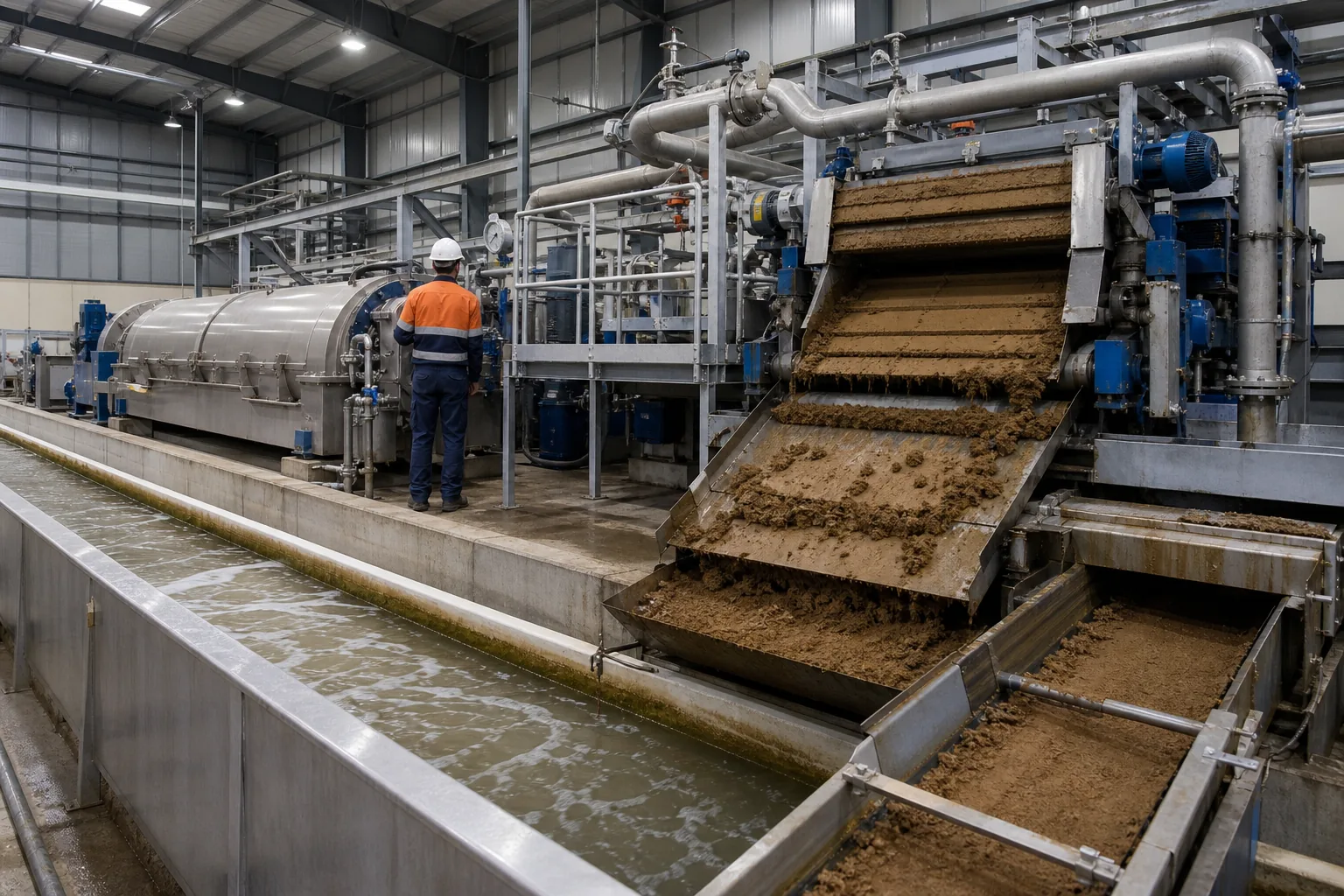 OPEN FILE ↗08
Polyelectrolyte Flocculant Supplier Specification and Cost Checklist
Compare polyelectrolyte flocculant suppliers through method-aware specifications, samples, COA, packaging and delivered treatment cost.
OPEN FILE ↗