Gongyi Xinqi Polymer Co., Ltd.POLYELECTROLYTE
FLOCCULANT
SEPARATION CONTROL BOARD
CHARGE±CONTACTtOUTPUTQ
+86 199 3767 3999
PRODUCT BOARD / THREE CHARGE WINDOWS

Polyelectrolyte Flocculant Product Families

Compare cationic, anionic, nonionic and low-charge polyelectrolyte flocculant profiles by solids, water chemistry, equipment and measured separation.

03 ACTIVE FILES
01
POSITIVE CHARGE / ORGANIC SOLIDS

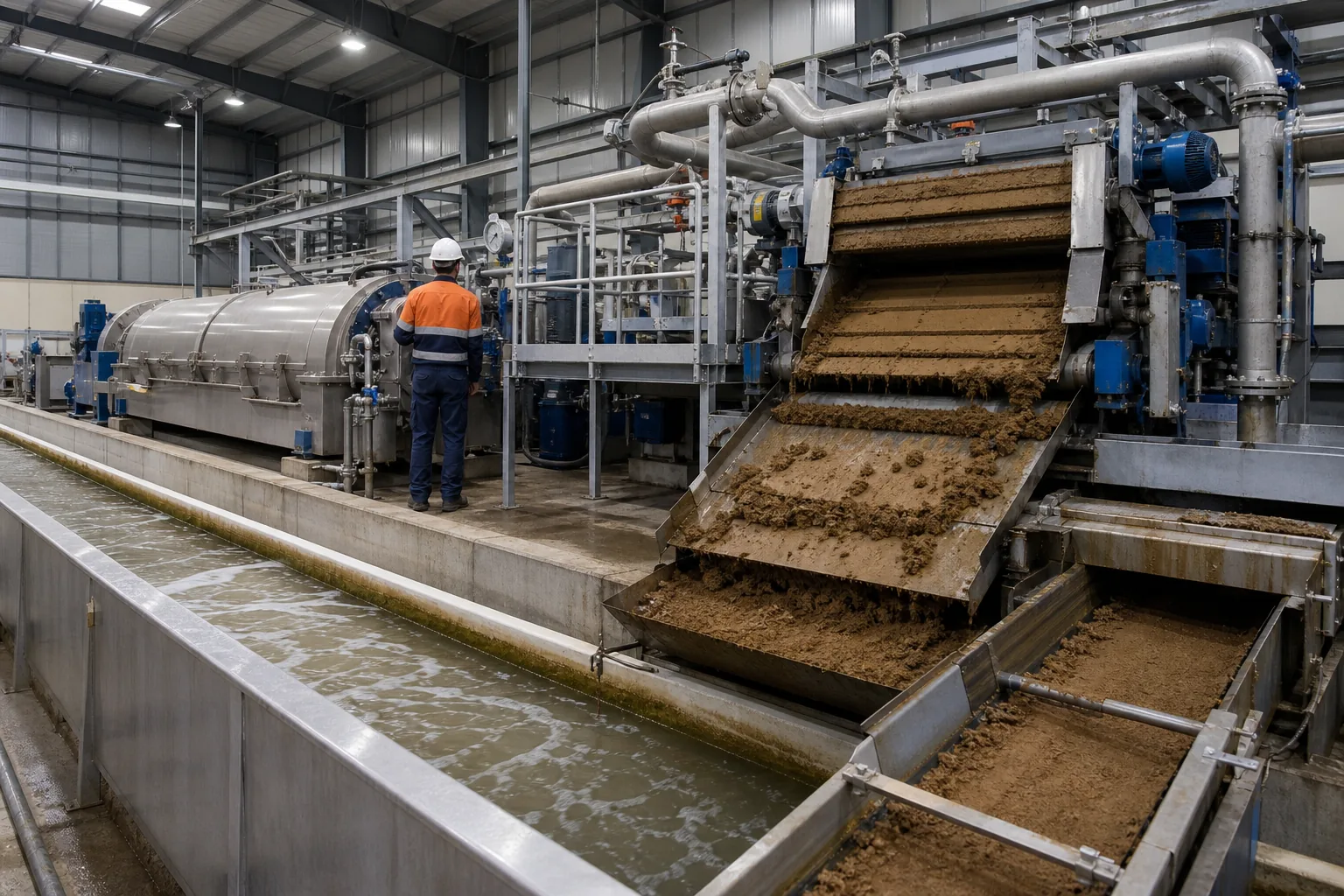
Cationic Polyelectrolyte Flocculant

Evaluate cationic polyelectrolyte flocculant by sludge charge demand, floc shear, filtrate quality, cake solids and dewatering equipment response.

Belt filter press and decanter centrifuge processing conditioned wastewater sludgeOPEN FILE ↗
02
NEGATIVE CHARGE / MINERAL FINES

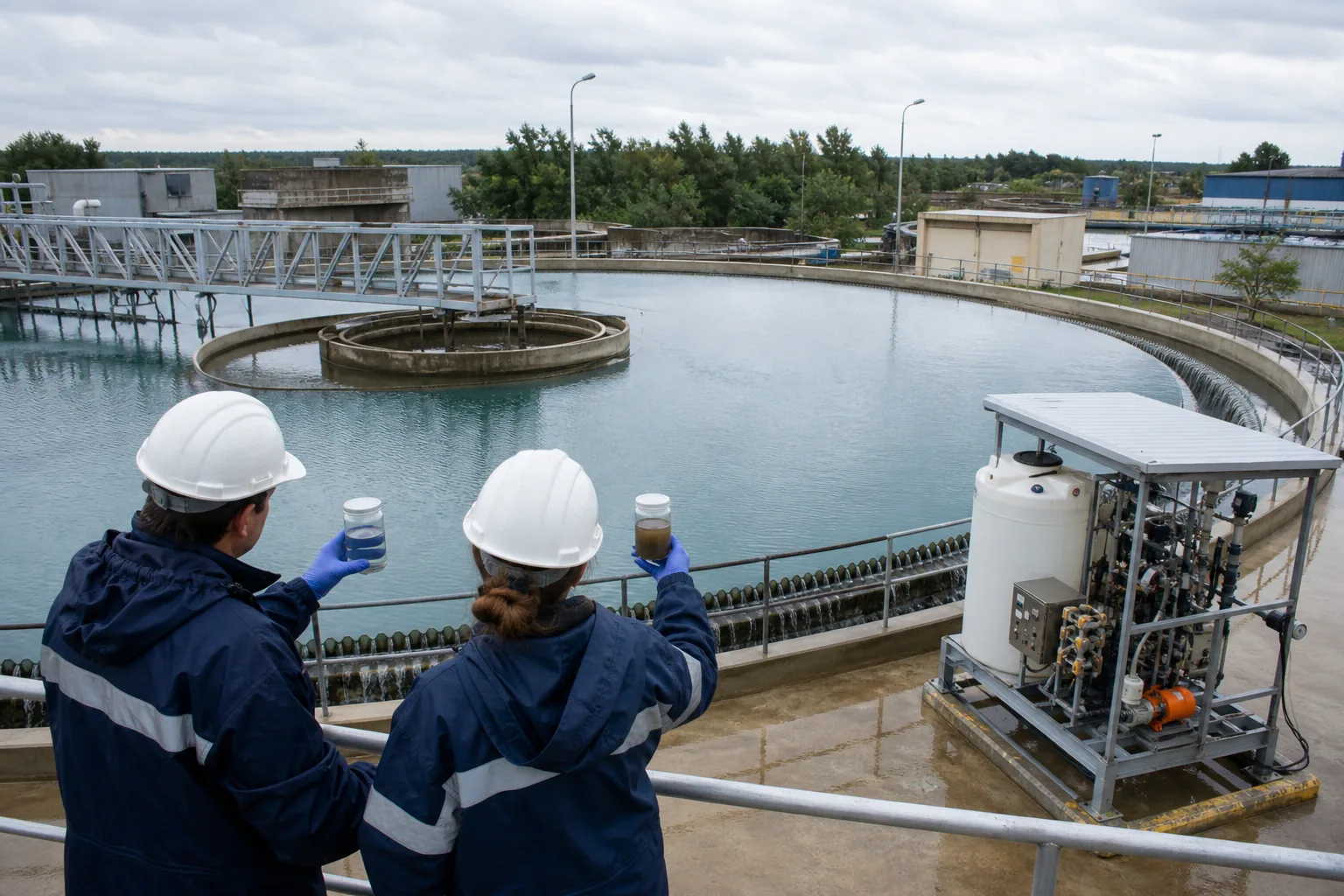
Anionic Polyelectrolyte Flocculant

Screen anionic polyelectrolyte flocculant for mineral fines and coagulated suspensions using water chemistry, settling, clarity, compaction and shear evidence.

Circular clarifier, overflow launder and polymer dosing skid under process inspectionOPEN FILE ↗
03
LOW CHARGE / BROAD BRIDGING

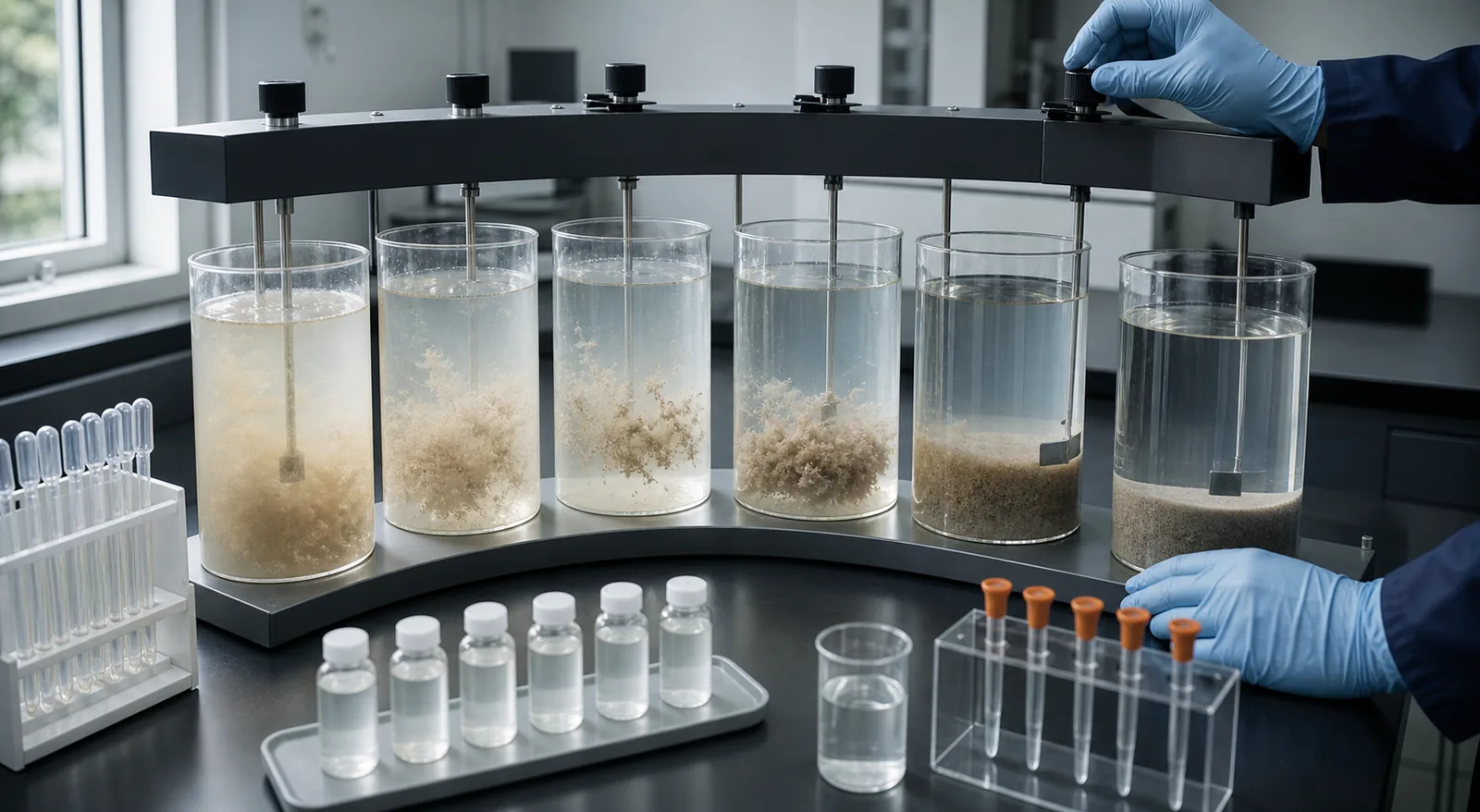
Nonionic and Low-Charge Polyelectrolyte Flocculant

Evaluate nonionic and low-charge polyelectrolyte flocculant where charge demand is uncertain, water chemistry varies or a broad bridging screen is required.

Six-vessel jar test comparing floc size, settling interface and supernatant clarityOPEN FILE ↗
01

Treat the name as a functional class

Polyelectrolyte flocculant describes a charged or low-charge water-soluble polymer used to aggregate suspended material. It does not identify one universal chemistry, charge density or molecular architecture.

Select a compact candidate set from feed character and equipment, then approve through active-dose curves and measurable separation.

02

Compare adjacent profiles

Keep preparation, dose basis, mixing and feed consistent so the effect of charge and molecular reach remains interpretable.

Use equipment endpoints and delivered treatment cost to resolve candidates that look similar in a jar.

WhatsAppEmail